
Aerospace
Aerospace components and equipment, moved with precision
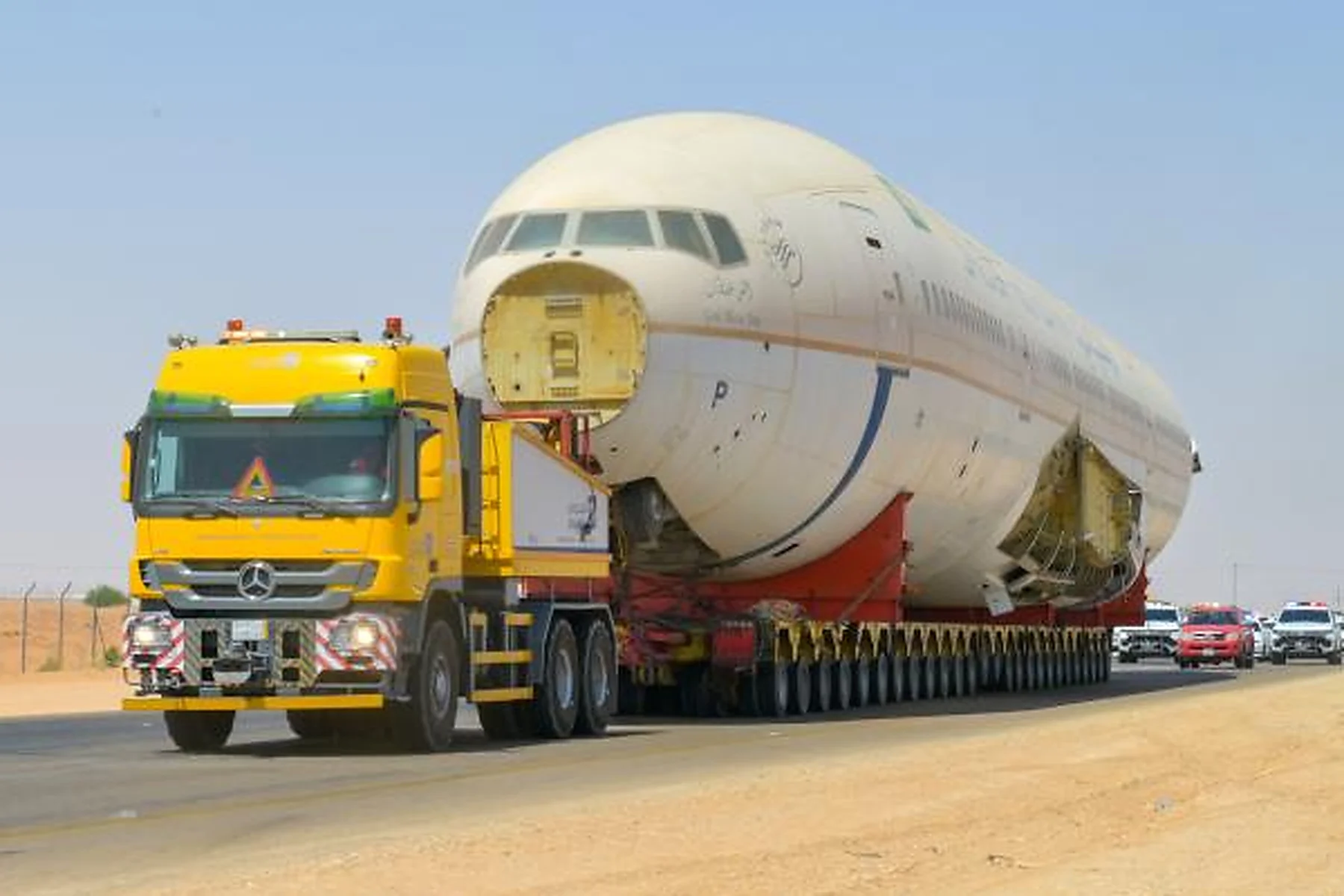
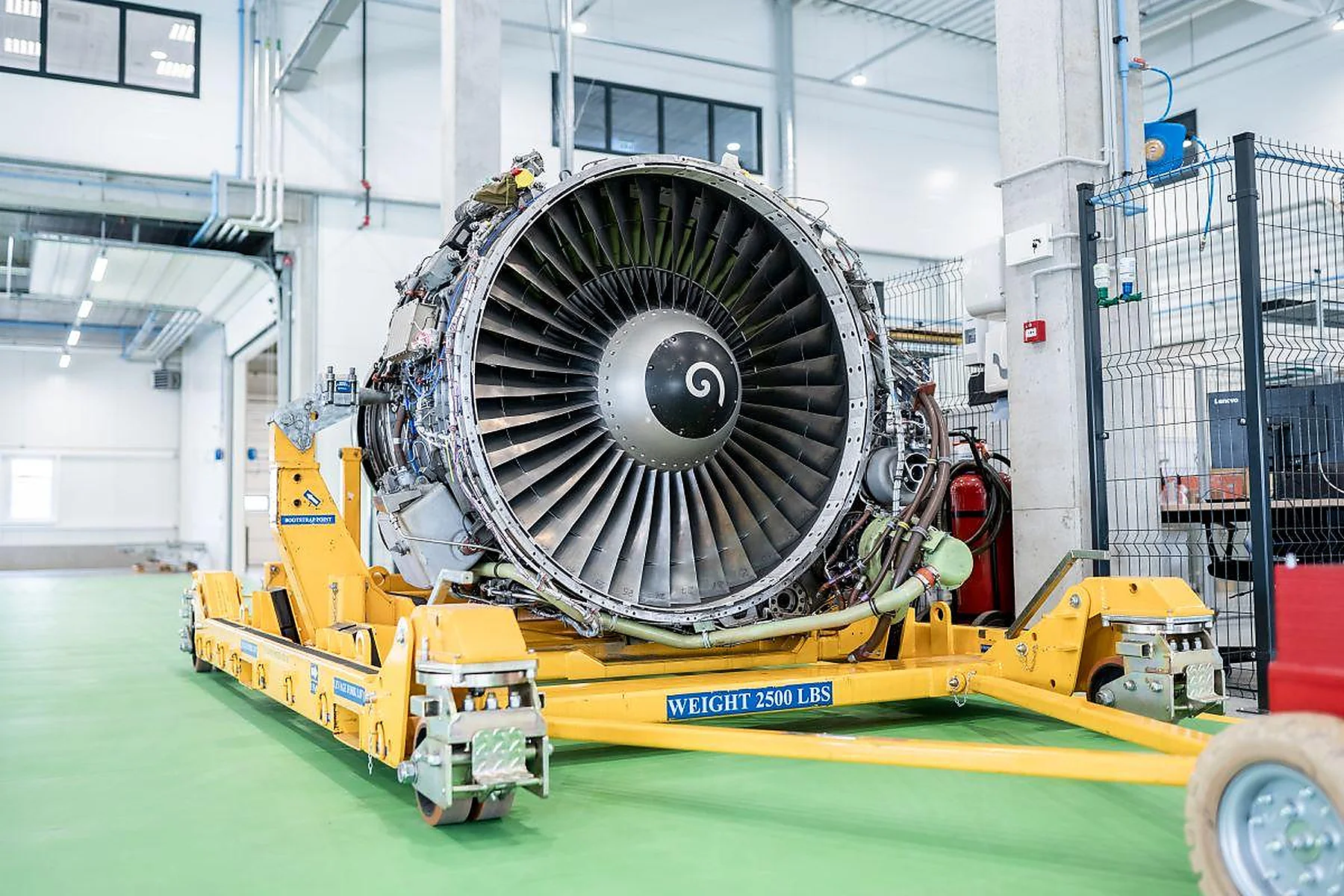
Aircraft components, ground support equipment and test hardware are often large, light for their size, and easy to damage. We start by reading the owner’s handling instructions, then review the dimensions, weight, lifting points and any limits on shock, vibration or exposure to weather. The load is planned for a smooth ride: a trailer matched to the piece, proper cradles and padding, rated tie downs and protective covers where needed. We survey the route for clearances and rough sections, arrange the permits and escorts, and keep the schedule tight so the part is not sitting waiting. At the destination, we unload with the right lifting equipment and check the piece with the receiving team before it is handed over.


How an aerospace move is done
1. Review the handling instructions
We read the owner’s handling instructions and confirm the dimensions, weight, lifting points and any limits on shock, vibration or weather exposure. Everything is agreed before the move is scheduled.
2. Plan a smooth ride
We survey the route for clearances and rough sections, and plan the path that gives the piece the gentlest ride. Permits and escorts are arranged, and the schedule is kept tight.
3. Load, pad and protect
The piece goes on a trailer matched to its size, supported in proper cradles with padding, and secured with rated tie downs. Protective covers go on where the piece needs them, and we check it again before it leaves the yard.
4. Unload and hand over
At the destination, we unload with the right lifting equipment and check the piece with the receiving team before it is handed over.
Have a transformer that a crane can't set? can't set?
Apex Global Heavy Haul & Rigging handles the haul and the set, from the plant to the pad. Dayton, Ohio. USDOT #4560267.